Trump admin shelves Cyclospora research despite record-breaking outbreak
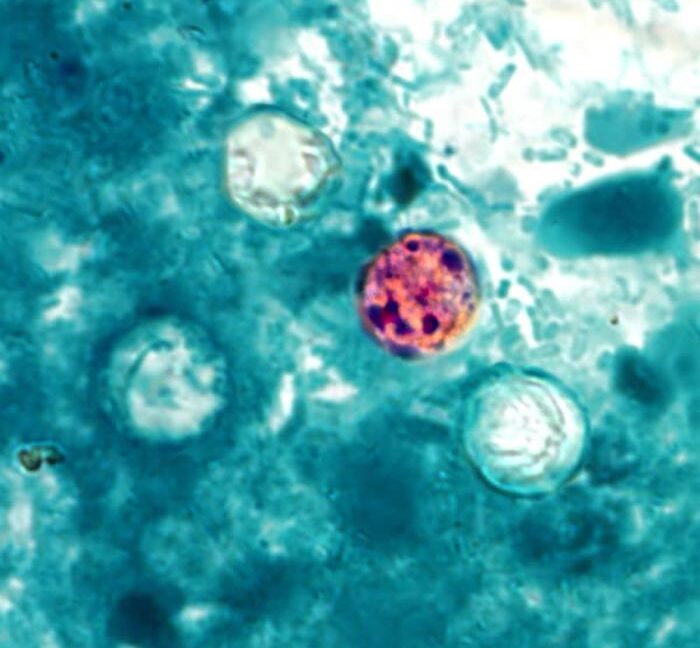
The CDC has tallied nearly 30,000 confirmed and probable cases this summer.
The Trump administration's decision to shelve Cyclospora research comes at a time when the US is grappling with a record-breaking outbreak of the parasitic infection, with nearly 30,000 confirmed and probable cases reported this summer. This sudden halt in research efforts raises concerns about the government's commitment to addressing the growing threat of foodborne illnesses. As the code community knows well, robust data analysis and research are crucial in identifying patterns and developing effective countermeasures against such outbreaks.
The timing of this decision is particularly puzzling, given the alarming rate at which Cyclospora cases have been rising. The Centers for Disease Control and Prevention (CDC) has been actively investigating the outbreak, but without dedicated research funding, it may struggle to pinpoint the source and develop targeted interventions. Moreover, this research gap may have far-reaching implications for the development of AI-powered disease surveillance systems, which rely on high-quality data to detect anomalies and predict future outbreaks.
As the situation continues to unfold, the code community should watch for potential downstream effects on disease surveillance and outbreak response. Key areas to monitor include any updates on the CDC's investigation, potential Congressional action to restore research funding, and advancements in AI-driven epidemiology that could help mitigate the impact of future outbreaks. By staying informed and engaged, we can work towards a more resilient and data-driven public health infrastructure.
Originally reported by arstechnica.com. CodeNews adds analysis for ai & agent economy readers.