RIP Margaret Hamilton, whose code saved the Apollo 11 Moon landing
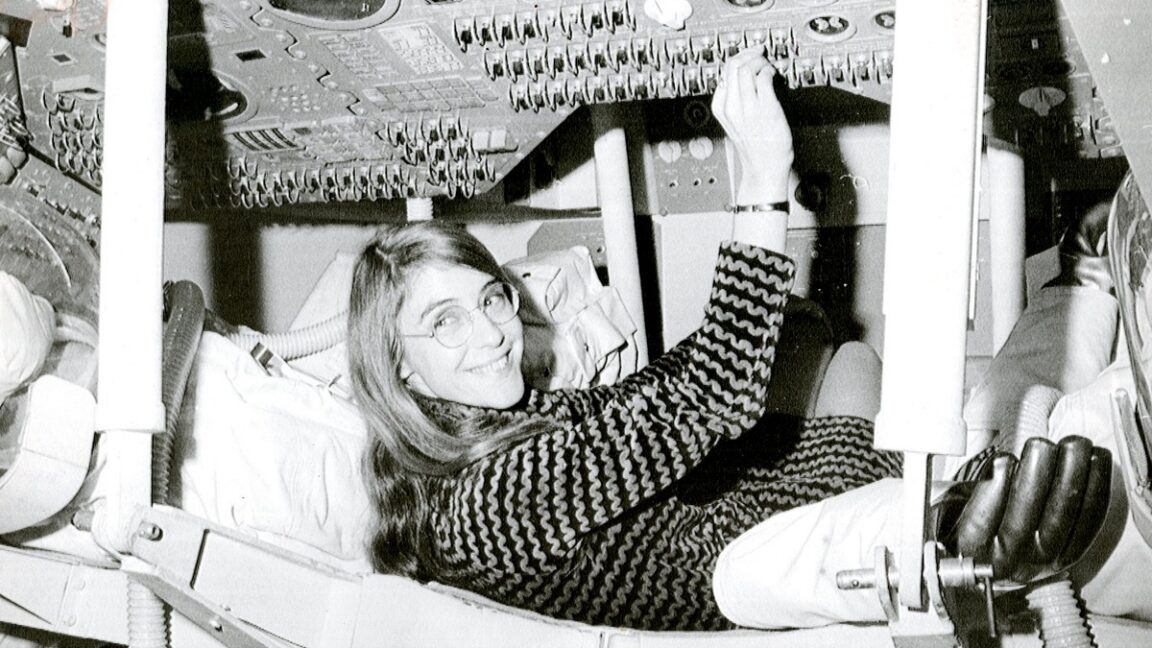
Hamilton also coined the term "software engineering" and founded two successful software companies.
Margaret Hamilton's passing marks the end of an era for the software development community, as her contributions to the field are still felt today. Her work on the Apollo 11 mission, where her code prevented an abort of the lunar landing, is a testament to the critical role software plays in complex systems. The fact that her code was able to recover from an overflow error and prioritize the lunar landing sequence demonstrates the importance of robust and reliable software design.
Hamilton's impact on the industry extends far beyond her work on the Apollo missions, as she is also credited with coining the term "software engineering". This term has become synonymous with the discipline of designing, developing, and testing software systems, and has helped to establish software development as a respected field of engineering. Her founding of two successful software companies also highlights her entrepreneurial spirit and ability to turn her vision into reality.
As the software development community mourns the loss of Margaret Hamilton, it's worth reflecting on the legacy she leaves behind. Her work on the Apollo missions and her contributions to the field of software engineering serve as a reminder of the importance of rigorous testing, reliable design, and innovative problem-solving. As the industry continues to evolve and push the boundaries of what is possible with software, it will be interesting to watch how Hamilton's legacy inspires a new generation of software developers and engineers to tackle the complex challenges of the future.
Originally reported by arstechnica.com. CodeNews adds analysis for ai & agent economy readers.