Contrary to some reports, you don't have two brains
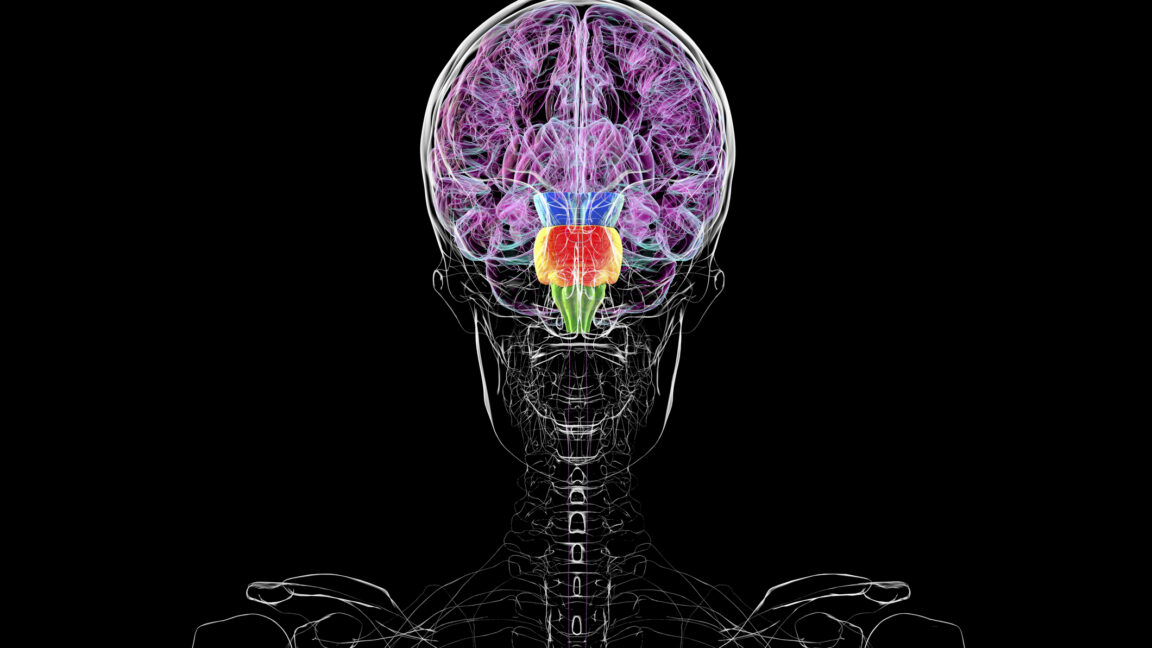
A bad press release makes a good excuse to look at how developmental biology works.
The notion that humans have two brains has been thoroughly debunked, but it's an interesting opportunity to explore the intricacies of developmental biology. The original claim likely stemmed from a misunderstanding of the enteric nervous system, a network of neurons and glial cells that reside in the lining of the gut. This system, often referred to as the "second brain," is indeed capable of producing many of the same neurotransmitters as the central nervous system, but it's not a separate brain.
In the context of code and AI, understanding developmental biology can provide valuable insights into complex system development and self-organization. The enteric nervous system, for instance, is a prime example of an autonomous system that can function independently of the central nervous system, yet still interacts with it seamlessly. This is reminiscent of the decentralized architectures being explored in AI and agent economies, where multiple systems interact and adapt to their environment.
As we continue to develop more sophisticated AI systems, understanding the intricacies of developmental biology will become increasingly important. Researchers are already exploring the intersection of biology and AI, using insights from developmental biology to inform the design of more adaptive and resilient AI systems. To watch next: advances in neuromorphic computing and the development of more decentralized AI architectures that mimic the autonomy of biological systems.
Originally reported by arstechnica.com. CodeNews adds analysis for ai & agent economy readers.