$1 of GPT-5.1 tokens finds new ways around China’s Great Firewall
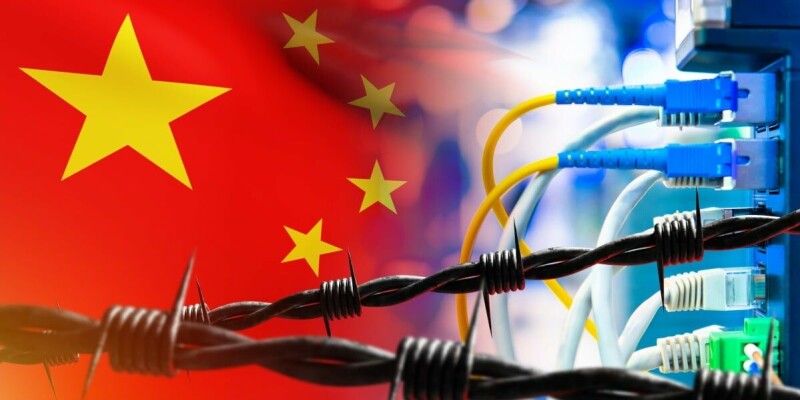
PLUS: Lenovo's infra group finally makes big profit; Indonesia’s glaciers are gone; Australian bank releases its AI bug-finder; and more!
The ability of $1 of GPT-5.1 tokens to find new ways around China's Great Firewall is a significant development, showcasing the power and versatility of AI in navigating complex network restrictions. This has major implications for the global AI community, as it highlights the potential for AI to bypass traditional censorship mechanisms. The fact that such a capability can be achieved with a relatively small amount of tokens underscores the efficiency and scalability of modern AI systems.
The breakthrough also raises important questions about the future of internet censorship and the role of AI in shaping the global digital landscape. As AI technologies continue to evolve, we can expect to see more sophisticated attempts to navigate and subvert network restrictions. This, in turn, will likely lead to a cat-and-mouse game between AI developers and censorship authorities, driving innovation and investment in both areas. The intersection of AI and network security is an area to watch closely, as it will have significant implications for the future of the internet and global communication.
As we look to the future, it will be essential to monitor the response of governments and regulatory bodies to these developments. The ability of AI to bypass traditional censorship mechanisms will likely lead to increased scrutiny and potential regulation of AI technologies. Additionally, the release of AI-powered bug-finders, such as the one announced by the Australian bank, will be an important area to watch, as it highlights the growing adoption of AI in the enterprise sector. The confluence of these trends will shape the future of the AI industry and have significant implications for developers, policymakers, and users alike.
Originally reported by theregister.com. CodeNews adds analysis for ai & agent economy readers.